Step sequencing technology and why we should consider electronic music as part of music education
Thanks to two technology lectures in week 12, I have been introduced to an amazing DJ who seems to have the same taste in music as me! This young French guy Madeon is an exemplar for modern DJ skills. Using Ableton he is mixing, composing and performing all at once (Hein, 2013) and making some amazing tracks. This set of technology is becoming more and more accessible. Although the Ableton could be considered top end, there are lots of accessible step sequences and looping online software to allow students to experiment with this type of compositional method.
Students can test out software programs like the Yamaha Mobile Music Sequencer
Edjing Mix on the ipad (free) which acts like DJ decks, choosing songs from your library and allows you to test out how you can change different EQ levels, volume, speeds to transition between the tracks – it’s much harder than it looks to get it right!
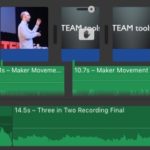
Even Loopy HD ($6) on the ipad lets you to put in your own multitracks to be played together and then mix up the order for performances. I’m currently listening to the new Killers album on repeat and this was a small part of one of my favourite songs at the moment, I deconstructed the first line and added some extra harmony parts:
Hardware such as Ableton push/live, circle sequences, loop pedals or even DJ decks provide a more tactile way to engage with programming in sounds and recreating live performances using sequencing type materials.
However the software option could provide greater accessibility in the classroom, especially with BYOD. I want to be able to work out how to get some of these experiences within the classroom, even small investment in technology can enable group work to exposure students to a wider range of music technology. Considering that there might be a high portion of students listening to this type of music, we need think how can we help encourage skills outside of the classroom and inside.
Our next lecture continued this theme looking in greater detail of circular step sequences. Programs such as O-Generator, Patterning (circular drum machine) and Groove Pizza (simple entry level circular step sequencer) are a great way to get students to start considering rhythm in a different way. See below TedX talk which discusses this circular rhythm, great little resource to introduce the circular rhythm visualisation to students.
Interestingly also this week we had discussed musical styles such as mash-ups & remixing and that goes along with all of this technology and the role they play for students outside the classroom. Electronic music plays such a huge influence on musical tastes in student lives and we need to work out ways how to include this in music education and how to value and also then how to evaluate it within the schooling system.
As Stephen Heppell discusses, what happens outside school is just as important and we need to make learning contextually relevant and consider the influences of student access to global information!
 Previous Post
 Next Post